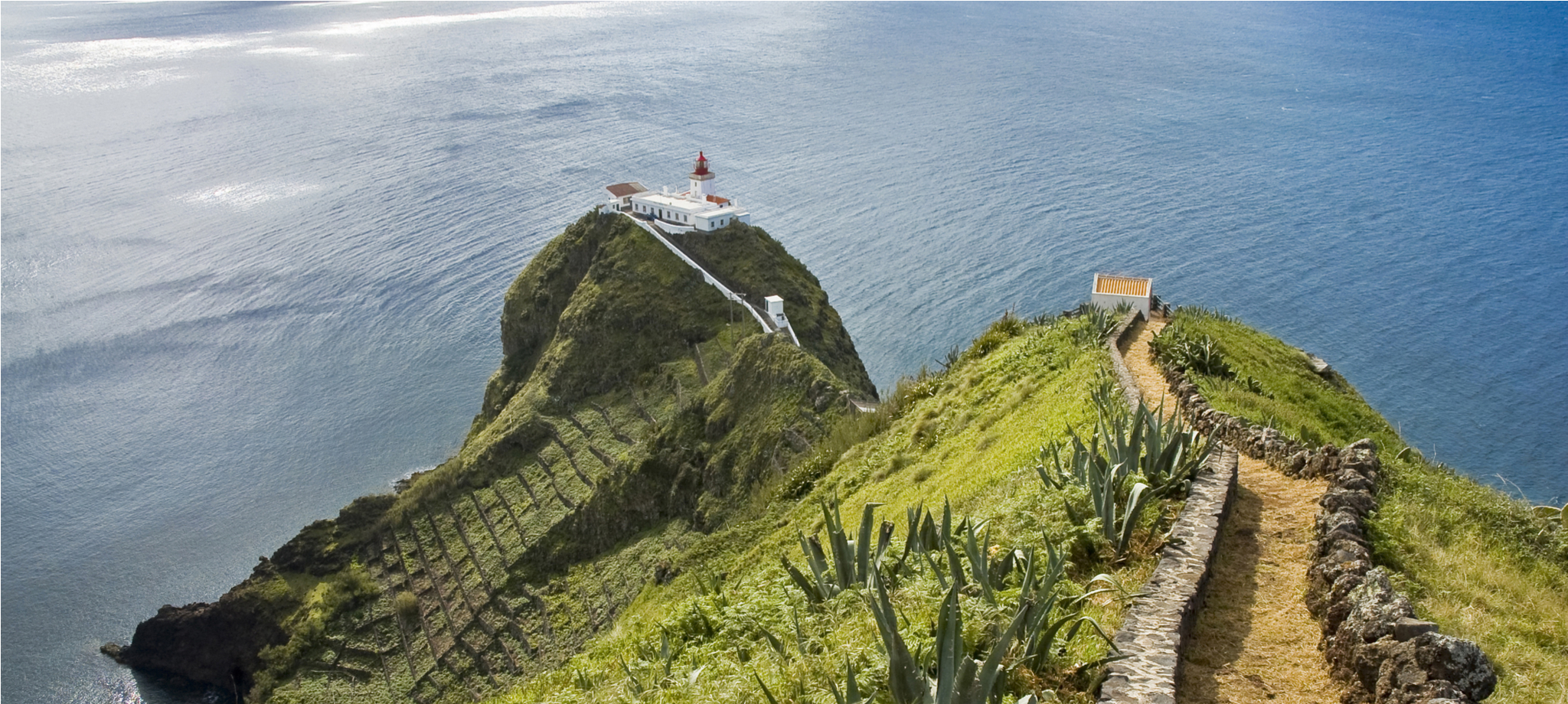
Sao Miguel Island
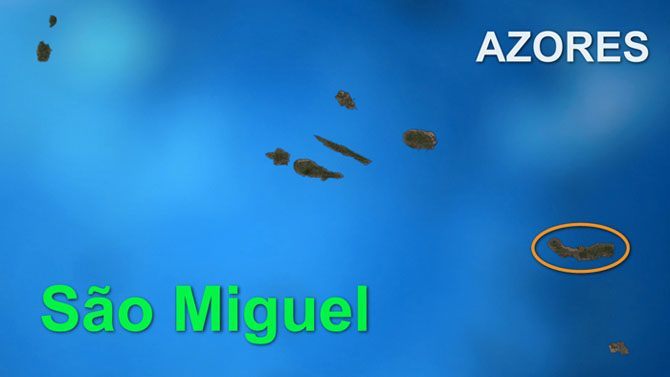 Sao Miguel (São Miguel), known as “The Green Island”, is the largest and most populated island of the Azores as well as the home to the Presidency of the Autonomous Region of the Azores. Sao Miguel Island has a surface area of approximately 293 square miles (759 km2). The island covers 759 km2 (293 sq mi) and has around 150,000 inhabitants, 50,000 of them living in Ponta Delgada (the largest city in the archipelago).
Sao Miguel’s diverse scenery is a pleasant awakening to visitors: it features beautiful lakes, sandy beaches, rolling hills, high mountains, green plains, and blue ocean.
Sao Miguel is also the island in the Azores with the most to offer. Its cosmopolitan town of Ponta Delgada offers the visitor a blend of contemporary life with historic flavor. Sao Miguel monuments, turn of the century architecture, parks, and cobble stone streets are interlaced with a modern marina, nice restaurants, shopping, bars, night-clubs, and ocean-front cafes.
Sao Miguel is also known for is award winning Terra Nostra Park, wonderful golf courses, lakes, beaches, land, century-old architecture, majestic scenery, and most of all, its people.
Activities in Sao Miguel include whale watching, swimming with dolphins, walking and trekking, diving, fishing, jeep safaris, bird watching, sailing, snorkeling, swimming, golf and many other outdoor and indoor activities. The weather is best between June and October with the hottest months being July, August, and September. November to January is also pleasant but temperatures dip slightly. February through May tend to be on the rainy side of things.
Sao Miguel is unlike any other destination in the world. Visitors of the island more often than not find themselves wanting to return to see it again.