About
Activities
Bird WatchingBird watching, a hobby in all islands # Whale WatchingWhale watchers paradise # A port of call for all yachtsmenIn Horta - Faial # Big Game FishingBest fishing in the Atlantic # HikingExcellent hiking and trekking # Whale WatchingCourtesy of Picos de Aventura # GolfGolf in S. Miguel and Terceira # http://www.azores.com/components/com_gk2_photoslide/images/thumbm/290034PhotoACT1.jpg
http://www.azores.com/components/com_gk2_photoslide/images/thumbm/305969PhotoACT2.jpg
http://www.azores.com/components/com_gk2_photoslide/images/thumbm/902271PhotoACT3.jpg
http://www.azores.com/components/com_gk2_photoslide/images/thumbm/825068PhotoACT4.jpg
http://www.azores.com/components/com_gk2_photoslide/images/thumbm/594417PhotoACT5.jpg
http://www.azores.com/components/com_gk2_photoslide/images/thumbm/841707PhotoACT6.jpg
http://www.azores.com/components/com_gk2_photoslide/images/thumbm/670196PhotoACT7.jpg
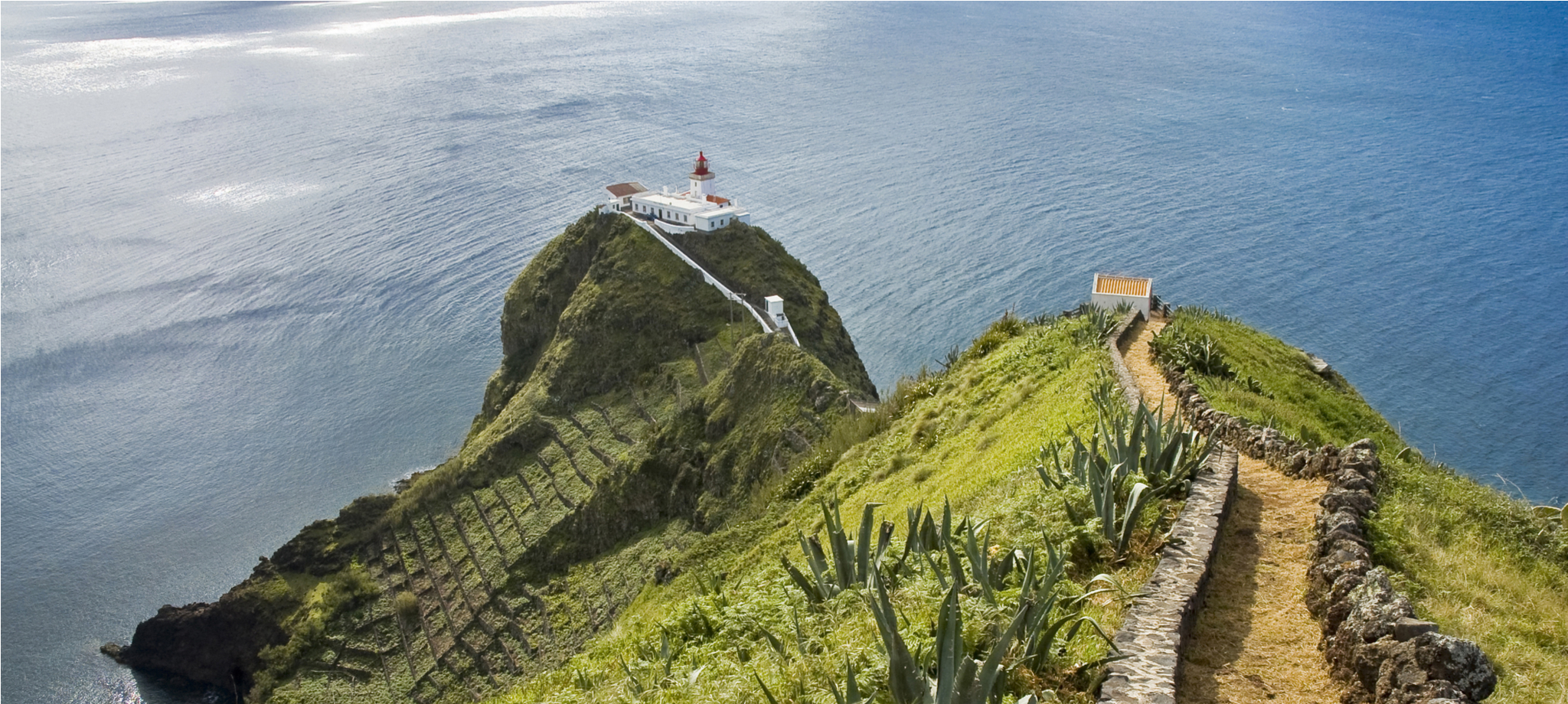
... ... ... ... ... ... ... The crystal blue ocean surrounding Pico is an invitation to fish and to practice underwater observation of rock formations and rich sea flora and fauna. Swimming is possible in the various natural pools along the coast, and the occasional sand beach that pops up every year. Our favorite swimming holes are Madalena, Santo Antonio, Sao Roque and Prainha. Hunting is a (albeit sad we admit) pastime on this island. Wild rabbits in large numbers (considered almost a plague) and partridges, snipe, pigeons and quail (though not in large numbers), can be found or the island. Walking, trekking, hiking trails are abundant features in Pico. The size of the island makes it possible not to have to repeat a walk or hike. Those with endurance may want to climb up Pico Mountain a task that can be more or less difficult depending on the chosen access. People interested in speleological studies have long caves to climb down and discover, although they should always be sure to take a guide with them. The "Gruta das Torres" is a must visit place. Being roughly 5 Km long it is the longest volcanic lava tube in Portugal, and is part of the UNESCO heritage list. But it is the simple charms of the island of Pico, made up of green pastures, maize fields, sweet-smelling orchards and dark lava fields, that excite those who seek to discover, by walking, all the attractions of the youngest island of the Azores born from the ashes. Events
Sata Rallye AzoresEvent included in the IRC Challenge. # Festivities of Our Lord of Miracles.The biggest religious festivals in the Azores. # SanjoaninasFeasts of St. John in Angra, Terceira Island. # ... ... ... Holy Ghost Festivals in Pico have a regional twist. The tradition, started by the first settlers, was deeply rooted in the population since the aide of the Holy Ghost was requested in prayers to hold back the streams of lava that devastated houses and crops. The "Espirito Santo" festivals retain the charm of former times in Pico. The curious ceremony of the "emperors" carrying the crown and sceptre in procession, and the "function" that marks the feast day itself, are repeated in every parish on the island from Whitsun. The processions, with such delicacies as rosquilhas, bolos de vespera and pao doce which at the end of the festivities are distributed among all those present and passers-by, maintain all the color of times gone by. The "empires", which are simple constructions having the white dove of the Holy Ghost at the top of the roof, are present all over the island and are an interesting example of folk architecture. Festival of Bom Jesus - São MateusThe "Good Lord" festival is a popular Pico festa where the parish is colorfully decorated for the occasion and music is supplied by local traditional bands. Bom Jesus is one of the most important religious festivals in the Azores, the high point being the Ecce Home. It is held every year on August 6th. Festivals of the Whaling Men - Lajes do PicoThis Pico festival dates back to 1883 with the arrival of an image of Our Lady of Lourdes. The whaling men gradually took part in the festival over the years with gave way nowadays to a splendid religious procession, followed by evening festivities with music and dancing. It is held in the last week of August. Festival of Saint Mary MagdaleneThis is another Pico traditional festival with a varied program including a procession and other liturgical ceremonies, festivities with music, dancing and illuminations. It is held on July 22nd. Grape Harvest FestivalHeld in the second week in September. GastronomyAlcatraA typical dish of Terceira Island. # Cozido nas FurnasCooked in the boilers of Furnas,in São Miguel. # Sopas do EspÃrito SantoIn Santa Maria, the tradition remains unchanged. # Biscoitos de OrelhaWares typical of Santa Maria. # http://www.azores.com/components/com_gk2_photoslide/images/thumbm/958494PhotoGAS1.jpg
http://www.azores.com/components/com_gk2_photoslide/images/thumbm/772521PhotoGAS2.jpg
http://www.azores.com/components/com_gk2_photoslide/images/thumbm/209777PhotoGAS3.jpg
http://www.azores.com/components/com_gk2_photoslide/images/thumbm/363550PhotoGAS4.jpg
... ... ... ... Torresmos de porco (small browned rashers of bacon), morcela (blood sausage), linguiça com inhames (Portuguese sausage with yams) and molha de carne (a meat speciality) are the main dishes of a cuisine which, with caldo de peixe (fish soup), polvo guisado em vinho (octopus stewed in wine) and bolo-de-milho (prepared with maize), delights ail hearty eaters. Those who like shell-fish will find worthy companions for their appetite in the local lobsters, deep-water crabs and cavacos. The soft, white fresh cheese of Pico is a good start to a meal, which can end with the typical, delicious cheese of São Joao, with its yellow rind, soft interior and intense smell, produced from cow's milk. Massa sovada (sweet bread), rosquilhas, vesperas and arroz doce are the typical sweets of the island, connected with the Holy Ghost Festivals. They are completed by the Carnival sweets, the filhoses, coscoroes and sonhos. Fig and local brandies, made in old copper stills, are digestive beverages that are much appreciated. For those who like sweet drinks, Pico can offer the typical angelica. Pico wine, the "verdelho"Born on the soil of lava, protected from the wind by walls of rough, dark stone, warmed by the rays of the sun, the grapes acquire the sweetness of honey. Squeezed, they produce a dry white wine with an alcoholic content of 15 to 17 degrees which, after ageing serves as an excellent appetizer. In the last century it was exported to many countries in Europe and America and even reached the tables of the Russian Court. The vineyards, which mark the landscape of the island, also produce a dry, fresh, light and fruity wine that is the ideal companion of a dish of shell-fish or fish, and also the red vinho de cheiro whose presence is compulsory on tables on feast days. The orchard islandThe ground made of lava, the sun and the dry climate make Pico the orchard of the Azores, where apple and pear trees, damson and peach trees, plum and orange trees flourish and produce sweet, juicy fruits that are taken early in the morning on the fruit boats to the town of Horta by the men and women who sell them there. But it is the figs, with an interior that is as red as rubies, a true delicacy for gourmets, that best symbolize the delicious fruit of Pico. HandicraftScrimshawWorks made ​​of bone and whale tooth. # CeramicsCommon in San Miguel, in the village of Lagoa. # Miolo de FigueiraWork from fig tree pith. # EmbroideryBeautiful pieces of artwork # http://www.azores.com/components/com_gk2_photoslide/images/thumbm/689421PhotoART1.jpg
http://www.azores.com/components/com_gk2_photoslide/images/thumbm/510102PhotoART2.jpg
http://www.azores.com/components/com_gk2_photoslide/images/thumbm/500749PhotoART3.jpg
http://www.azores.com/components/com_gk2_photoslide/images/thumbm/185548PhotoART4.jpg
... ... ... ... The hands of the women of Pico create fine crochet lace using traditional or more modern designs, straw hats and rush mats. The hard tooth of the sperm whale serves as the raw material for the scrimshaw techniques brought over a century ago by the American whalers who came to the waters of the Azores to hunt and recruit harpooners who were famous on the seven seas. The themes carved on these small but valuable works of art are sailing ships, scenes of combat with the great sea mammals, the feminine figures that fill mariners' dreams. But the cachalot also gives rise to other curious pieces. From its teeth, bones and jaws, skilled hands make small sculptures recalling its asymmetrical profile, tails that seem to sweep the ocean and rings, ear-rings and pendants. Connected with whale hunting are also the delicate and complete miniatures of the elegant whaling-boats, worthy to appear in museums, produced by some of their former crew members. Local Products
PineappleOnly grown on the island of Sao Miguel. # CheeseFound in all the islands, the best known is the cheese of St. George. # WineHere you can find the famous Pico Verdelho wine. # http://www.azores.com/components/com_gk2_photoslide/images/thumbm/839614PhotoPRLOC1.jpg
http://www.azores.com/components/com_gk2_photoslide/images/thumbm/493826PhotoPRLOC2.jpg
http://www.azores.com/components/com_gk2_photoslide/images/thumbm/127368PhotoPRLOC3.jpg
... ... ... Pico island is home to the best “verdelho†wine in the Azores and original handicraft including crochet lace work, straw hats and rush mats. |
about us | contact us | partner with us | advertise with us | privacy statement | terms and conditions | testimonials | sitemap
